Table of Contents
- What Material Is Best for an AR-15 Lower Receiver? The Short Answer
- AR-15 Lower Receiver Materials Compared
- The Role of 7075-T6 vs. 6061-T6 Aluminum
- Durability and Structural Integrity: What Actually Matters
- Compatibility with Upper Receivers and Fitment Standards
- How to Choose an AR-15 Lower Receiver for Your Build
- Final Verdict: Matching Material to Mission
- Frequently Asked Questions
Last Updated: September 7, 2026
What Material Is Best for an AR-15 Lower Receiver? The Short Answer
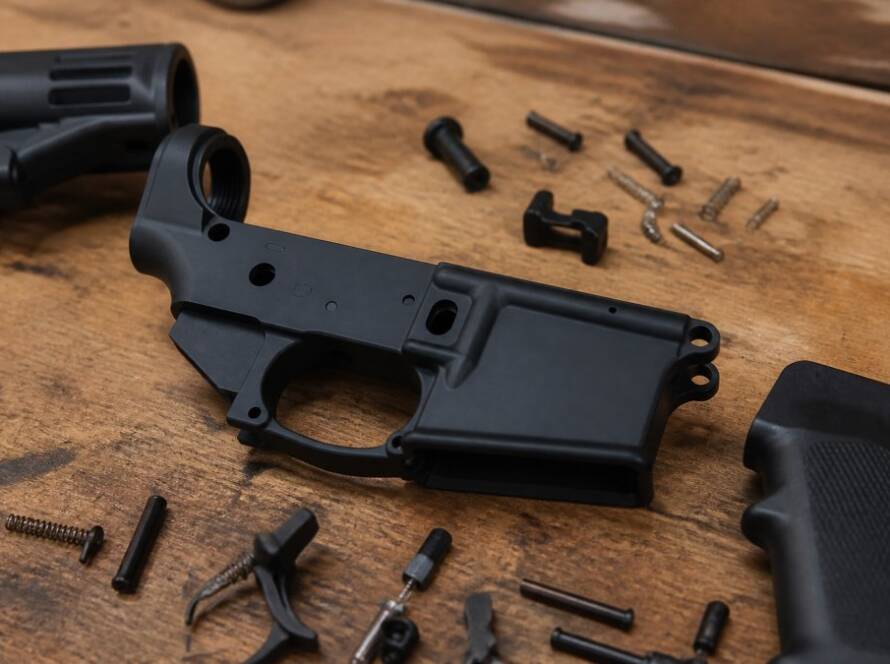
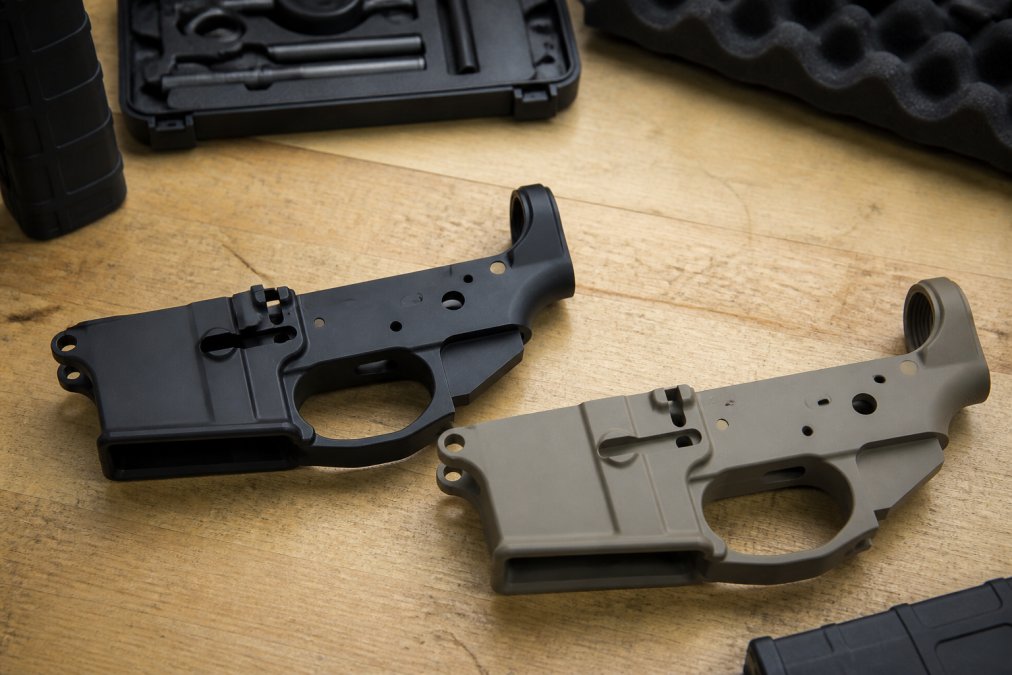
The best material for an AR-15 lower receiver is 7075-T6 aluminum, whether forged or billet machined, because it delivers the ideal balance of tensile strength, weight, and corrosion resistance for a part that endures repeated impact and heat. While polymer receivers are lighter and cheaper, and 6061-T6 aluminum works for budget builds, 7075-T6 remains the mil-spec standard for a reason: it resists deformation at critical stress points like the buffer tower and trigger pin holes. This guide from Polymer Pew breaks down the trade-offs between forged, billet, cast, and polymer options so you can match the material to your build’s mission, from a lightweight range toy to a hard-use defensive rifle.
Most shooters overthink this. The AR-15 lower receiver is the serialized backbone of your rifle, and the material choice determines how tight your fitment stays, how well it resists corrosion, and whether it survives a hard drop on concrete. The differences between materials are measurable in alloy composition, heat treatment, and manufacturing process, not marketing hype.
Below, we’ll walk through each material category, what the stress data actually says, and how to choose an AR-15 lower receiver that fits your budget and use case without guessing.
AR-15 Lower Receiver Materials Compared
Four material categories dominate the market: forged 7075-T6 aluminum, billet 7075-T6 aluminum, cast 6061-T6 aluminum, and polymer. Forged and billet aluminum make up the vast majority of quality lowers, with polymer carving out a niche for lightweight builds and cast aluminum rarely appearing outside of budget complete rifles.
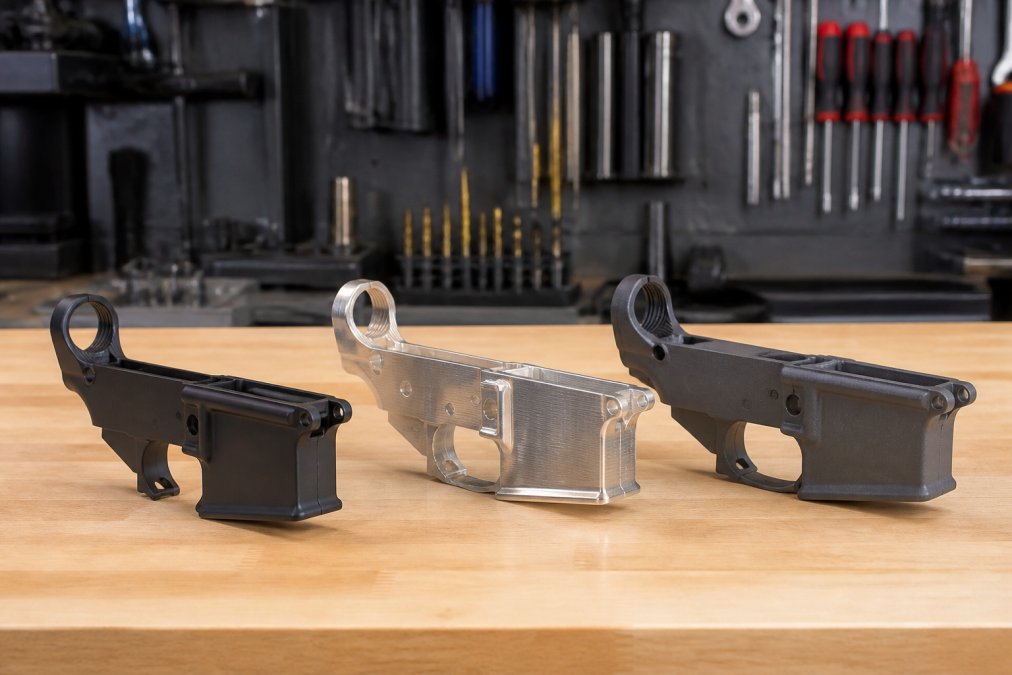
Forged receivers start as a block of aluminum heated and pressed into a die, which aligns the grain structure along the part’s contours. Billet receivers are CNC machined from a solid block of aluminum, allowing more design freedom for features like integrated trigger guards and ambidextrous controls. Both end up with similar mechanical properties when made from 7075-T6, but the manufacturing paths create different trade-offs in cost and features.
Forged vs Billet Lower Receiver: What’s the Difference?
A forged lower receiver is pressed into shape from a single aluminum block, aligning the grain structure for maximum strength at stress points. A billet lower receiver is machined from a solid block of 7075-T6 aluminum, which allows sharper contours and custom features but costs more due to longer CNC machining time.
For most builders, forged receivers win on value. They are mil-spec, proven, and typically cost less because the forging process is faster at scale. The trade-off is design uniformity: you get the same profile as every other forged lower, which is fine for standard builds but limiting if you want an integrated trigger guard or a flared magwell.
Billet receivers shine when you want ergonomics and aesthetics. Because the part is machined from a solid block, manufacturers can add contoured magazine wells, integrated ambidextrous bolt catches, and tension screws to eliminate upper-to-lower wobble. The downside is price. CNC machining time is expensive, and premium billet lowers often run double or triple the cost of a forged equivalent.
Polymer vs Aluminum Lower Receiver: Weighing the Trade-offs
Polymer lowers are the budget and weight champions, often shaving several ounces off a build and costing less than forged aluminum. They work reliably for range guns and light-use rifles, but the material flexes under recoil, which can accelerate wear on pin holes and cause fitment issues with certain upper receivers over time.
Aluminum lowers, whether forged or billet, offer superior structural integrity. The material resists flexing, holds tighter tolerances through thousands of rounds, and provides a stable platform for drop-in trigger kits and super safety components. If you are building a rifle for competition, defense, or heavy training, aluminum is the safer bet for long-term durability.
The polymer vs aluminum decision really comes down to mission. A lightweight hunting build or a budget plinker that sees a few hundred rounds a year will do fine with polymer. A rifle you train with regularly, or one that hosts precision triggers and specialized fire control groups, demands the rigidity of 7075-T6 aluminum.
The Role of 7075-T6 vs. 6061-T6 Aluminum
7075-T6 aluminum is the mil-spec standard for lower receivers because it offers roughly double the tensile strength of 6061-T6. The alloy composition adds zinc as the primary strengthening element, and the T6 heat treatment solution treats and artificially ages the metal to peak hardness.
6061-T6 aluminum, which uses magnesium and silicon as its primary alloying elements, is easier to machine and weld, which makes it common in handguards and upper receivers. For lower receivers, though, it is a cost-cutting measure. The part will function, but it is more prone to peening at the pin holes and deformation at the buffer tower under heavy use.
What this means in practice: 7075-T6 resists the repeated impact of the bolt carrier group cycling and the stress of the buffer tube torqued into the receiver extension threads. An anodized hard coat finish on 7075-T6 also provides superior corrosion resistance and wear characteristics compared to the softer 6061 alloy. choosing durable tactical gear.
Durability and Structural Integrity: What Actually Matters
Durability in a lower receiver comes down to three things: the alloy’s tensile strength, the heat treatment, and the wall thickness at critical stress points. A lower receiver fails in predictable places: the buffer tower where the receiver extension threads in, the pivot pin and takedown pin lugs, and the trigger pin holes that see repeated hammer strikes.
Material Science Stress Testing Data
Independent testing consistently shows that 7075-T6 aluminum has a yield strength around 73,000 psi, while 6061-T6 sits near 40,000 psi. That gap translates directly to impact resistance and fatigue resistance over thousands of rounds. Forged receivers benefit from grain flow that follows the part’s shape, which improves fracture toughness at the buffer tower compared to a billet part machined from a block.
The practical takeaway: a mil-spec forged 7075-T6 lower will handle round counts well into five figures without developing cracks or oblong pin holes. Polymer receivers, while improving, still show measurable flex under high-speed camera analysis during live fire, which is why most serious builders treat them as a budget option rather than a duty choice.
Environmental Corrosion Resistance
Aluminum’s natural oxide layer provides decent corrosion resistance, but the hard coat anodized finish applied to quality lowers takes it further. Type III hard coat anodizing penetrates the surface and creates a dense, wear-resistant layer that shrugs off sweat, humidity, and cleaning solvents.
Polymer receivers, by nature, never corrode, which makes them attractive for humid environments (acs.org). The trade-off is that polymer degrades from UV exposure over time and can become brittle in extreme cold (nist.gov). For most shooters storing rifles in a safe or range bag, anodized 7075-T6 aluminum offers the best all-weather durability without the weight penalty of steel.
Compatibility with Upper Receivers and Fitment Standards
Mil-spec dimensions are the baseline for AR-15 lower receiver compatibility. A lower machined to mil-spec tolerances will accept any mil-spec upper receiver, trigger group, and buffer tube without modification. The fitment standard covers the pin hole diameters, the receiver extension threads, and the overall width at the takedown pin lugs.
Where fitment gets tricky is with billet receivers that deviate from mil-spec profiles. Some billet lowers use a slightly different profile at the rear takedown lug or a tension screw system to remove wobble. These features work with standard uppers, but you should verify compatibility before ordering, especially with clone builds or specialized uppers.
Upper-to-lower fitment comes down to the tension at the rear takedown pin. A loose fit causes receiver wobble, which is annoying but not dangerous. A tight fit, sometimes called a “tight lockup,” is preferable for accuracy because it keeps the upper and lower rigidly aligned. Quality manufacturers like those offering aluminum MKE lowers test for variant compatibility, so the receiver drops in without filing or fitting.
How to Choose an AR-15 Lower Receiver for Your Build
Start with your budget and your intended round count. A budget-conscious builder who wants a reliable, mil-spec foundation should look at forged 7075-T6 aluminum receivers, which offer the best strength-to-dollar ratio. If you want ambidextrous controls or a custom aesthetic, a billet receiver justifies its higher price with integrated features and tighter tolerances.
Consider the rest of your parts kit. If you are installing a drop-in trigger or a specialized fire control group, aluminum is the safer platform because it holds pin hole dimensions rigidly. Polymer flex can cause binding issues with precision triggers over time. For a clone build on a budget, a forged aluminum lower with a hard coat anodized finish gives you the durability of a duty rifle without paying for billet aesthetics.
| Material | Strength | Weight | Cost | Best For |
|---|---|---|---|---|
| Forged 7075-T6 | High | Moderate | Low | Mil-spec builds, budget to mid-range |
| Billet 7075-T6 | High | Moderate | High | Custom ergonomics, ambidextrous controls |
| Cast 6061-T6 | Moderate | Moderate | Low | Budget complete rifles |
| Polymer | Low-Moderate | Low | Low | Lightweight builds, low round counts |
Final Verdict: Matching Material to Mission
The best AR-15 lower receiver material is 7075-T6 aluminum in either forged or billet form. Forged gives you mil-spec reliability at the best price, while billet adds ergonomic features and tighter tolerances if you are willing to pay for them. Polymer works for lightweight budget builds, but it is not the choice for a rifle you train hard or trust with precision components.
Match the material to the mission, and you will not go wrong. A forged 7075-T6 lower with a hard coat anodized finish is the default recommendation for most builders because it handles everything from range days to defensive use without drama. Billet is worth the premium when you want integrated ambidextrous controls or a receiver that locks up tight with your upper.
For builders running clone platforms or specialized fire control systems, compatibility testing matters as much as material choice. Polymer Pew carries aluminum full-size MKE lower receivers tested for variant compatibility, so your build drops together without modification. Pair that with anodized aluminum housings and stainless steel internals, and you get a platform that holds up round after round.
Frequently Asked Questions
Are polymer lowers as durable as aluminum?
For a standard AR-15 lower receiver, 7075-T6 aluminum is stronger and more rigid than polymer. Polymer receivers can flex under stress, particularly at the buffer tower and trigger pin holes, which can lead to wear or cracking over time. Aluminum is the better choice for high-round-count or hard-use builds. Polymer lowers do save weight and cost less, making them a reasonable option for light-duty range guns, but they are not a like-for-like replacement in durability.
What is the difference between forged and billet aluminum lower receivers?
A forged lower receiver starts as a block of aluminum heated and pressed into shape under high pressure. This aligns the grain structure of the metal, improving strength and fatigue resistance. A billet receiver is machined from a single solid block of 7075-T6 aluminum using CNC machining. Billet offers more design freedom for features like integrated trigger guards or ambidextrous controls, but it costs more and does not have the grain-flow strength advantage of forging.
Does the material of the lower receiver affect accuracy?
No, the material of the lower receiver does not directly affect the accuracy of the rifle. Accuracy is determined by the barrel, ammunition, and the shooter. The lower receiver’s material does affect consistency of the trigger pull and the lockup between the upper and lower receiver. A stiffer receiver, like a forged or billet aluminum unit, can hold tolerances better than polymer, which helps maintain a consistent trigger feel and prevents flex that can interfere with the fire control group.
Is 7075-T6 aluminum worth the extra cost over 6061-T6?
Yes, for most builds, 7075-T6 is worth the small price increase. It has a higher tensile strength and better fatigue resistance than 6061-T6. Mil-spec AR-15 lower receivers are manufactured from 7075-T6 for this reason. The cost difference is usually minimal, and the added structural integrity protects critical areas like the buffer tower and trigger pin holes. Unless you have a specific reason to use 6061-T6, stick with 7075-T6 for your lower receiver.
Choosing the right material for your AR-15 lower receiver is the first decision that shapes your entire build. Forged 7075-T6 aluminum remains the gold standard for durability and value, while billet offers premium features for those who want them. Polymer Pew delivers tested aluminum lower receivers and drop-in kits designed for reliable fitment, so start your build with components you can trust. Get your Flatties here and finish your platform the right way.