Table of Contents
- Why Trigger Reset Spring Upgrades Fall Short
- Best Drop-In AR-15 Triggers That Replace Spring Swaps
- AR-15 Trigger Reset Troubleshooting: Fixes Before You Buy
- Forced Reset Trigger vs Binary Trigger: Which Reset Path Fits Your Build
- Installation and Long-Term Care for Upgraded Trigger Springs
- Compliance and Safety Checks Before You Install
- Frequently Asked Questions
Last Updated: September 16, 2026
Why Trigger Reset Spring Upgrades Fall Short
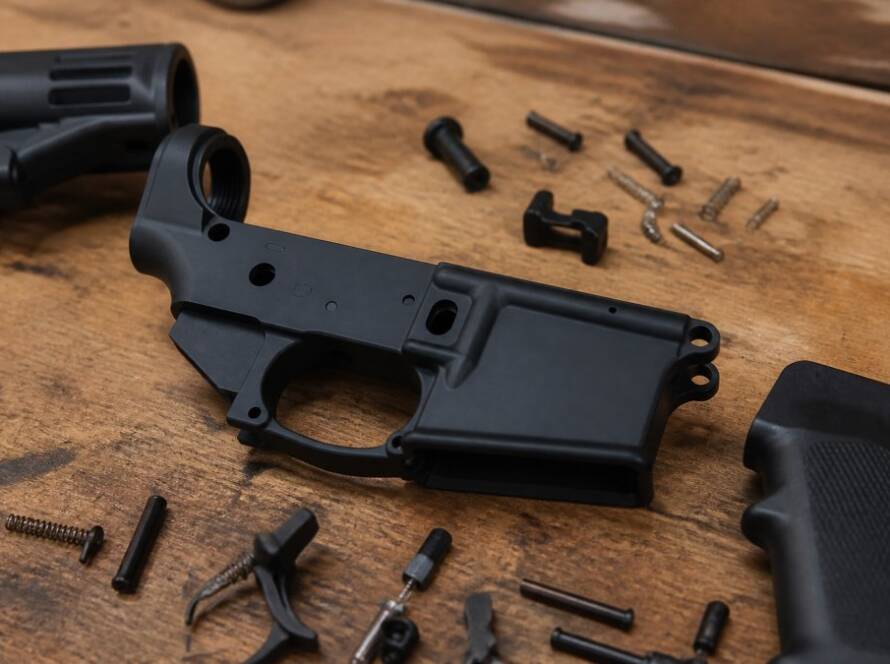
Swapping a trigger reset spring is the cheapest way to chase a faster reset, and the most disappointing. Swapping a trigger reset spring is the cheapest way to chase a faster reset, and the most disappointing. Builders often spend a weekend chasing a lighter pull with a spring kit, only to end up with a mushy break, light primer strikes, and a rifle that runs worse than stock. The spring isn’t the problem. The geometry is.
What Spring Kits Actually Change
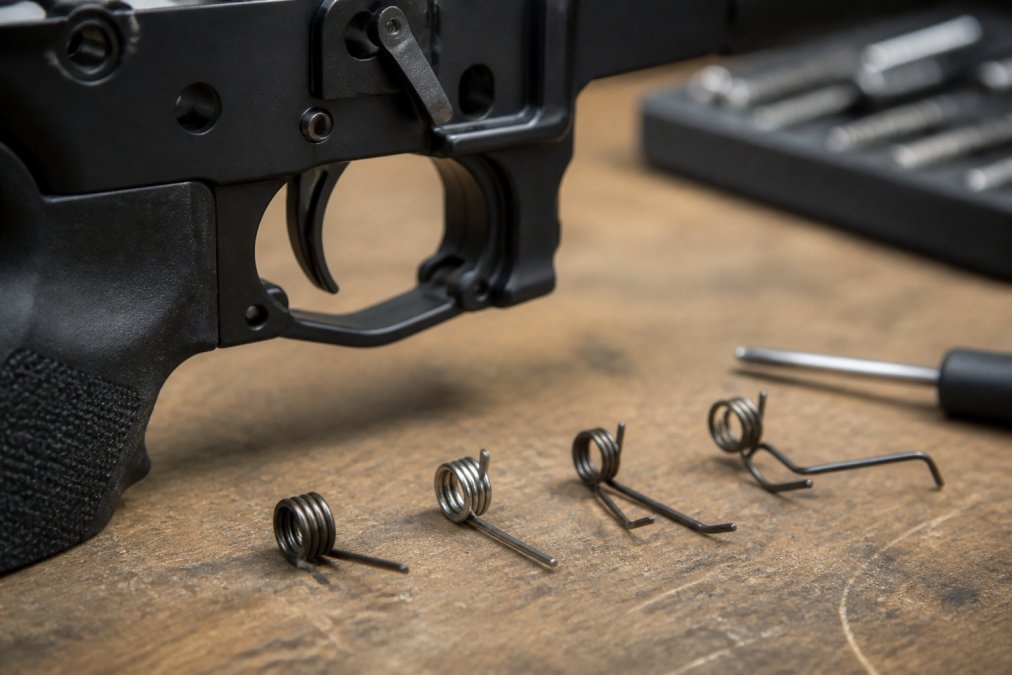
A spring kit changes force, not feel. Reduced-power springs lower the weight at the shoe but leave sear engagement, creep, overtravel, and reset distance exactly where the factory left them, a lighter pull on the same gritty break.
Worse, a lighter hammer spring means less energy driving the firing pin: reduced weight in, reduced ignition reliability out. Shooters chasing an ultra-light pull often get light primer strikes on harder primers.
Pairing a reduced-power hammer spring with a mil-spec disconnector is where most home builds go wrong. The disconnector needs spring tension to time its release correctly. Starve it, and you get a trigger that fails to reset under rapid fire, which is a range-day stoppage and a safety problem.
When a Full Cassette Makes More Sense
A drop-in cassette replaces the entire fire control group, sear, disconnector, hammer, and springs, pre-assembled in a housing.
Best Drop-In AR-15 Triggers That Replace Spring Swaps
The best drop-in AR-15 triggers replace the entire fire control group with a sealed cassette, solving reset and break problems a spring kit can’t touch.
| Trigger | Pull Type | Starting Price | Best For |
|---|---|---|---|
| Polymer Pew Drop-In Kit | Single-stage | See site | Budget builds, clone compatibility |
| Timney AR PRO | Two-stage | $250.00 | Precision and competition |
| AIM Surplus SSTAT | Single-stage | $70.00 | Entry-level upgrades |
| Triggered Company Disruptor | Forced reset | $275.00 | Rapid-fire setups |
| Geissele Automatics | Single/two-stage | $240.00 | Duty and defense |
| LaRue Tactical MBT-2S | Two-stage | $115.00 | Mid-range precision |
| Rise Armament RA-140 | Single-stage | $129.00 | General-purpose rifles |
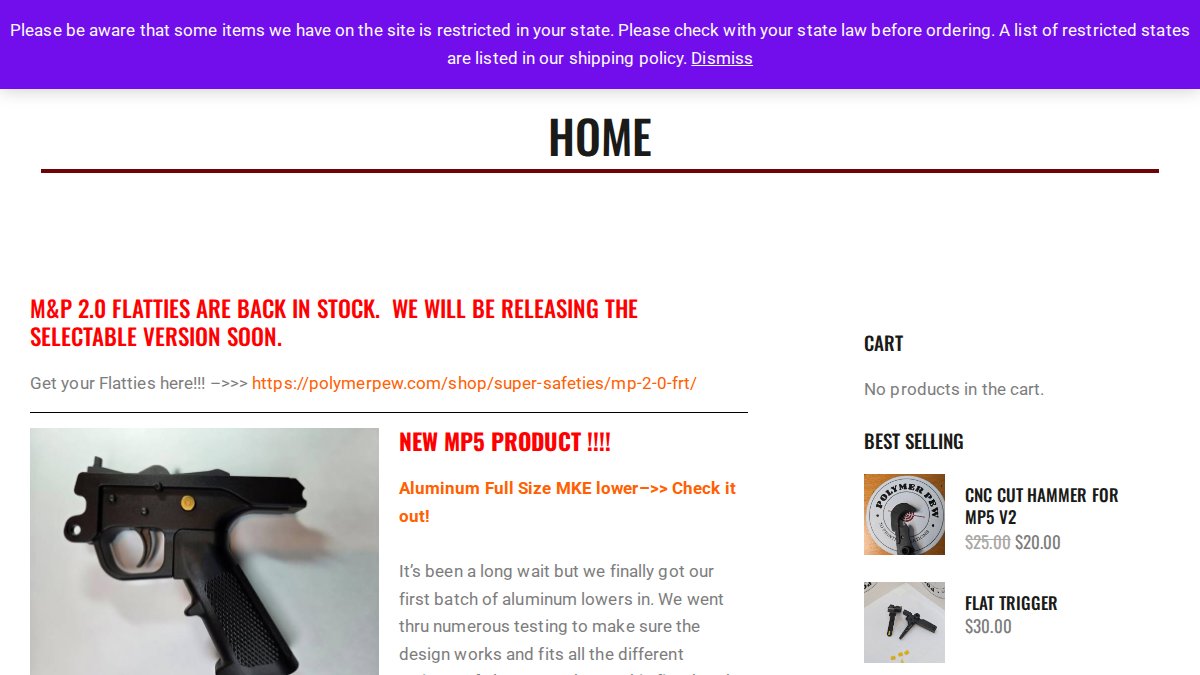
Polymer Pew Drop-In Kits and Flat Triggers
Polymer Pew builds the option we reach for first on a budget build.
Timney, Rise Armament, and LaRue Compared
Timney’s AR PRO is a two-stage, ultra-light assembly with a crisp break and fast reset, the pick for precision work.
AR-15 Trigger Reset Troubleshooting: Fixes Before You Buy
Work through this before you spend anything:
- Confirm the disconnector spring is installed with the wider end seated down in the trigger
- Verify hammer spring legs sit correctly on the trigger pin, not under it
- Check that anti-walk pins are seated and not backing out under recoil
- Test reset with the upper removed, cycling the hammer by hand
- Inspect the disconnector hook for wear or a burr catching the hammer
- Confirm the safety selector moves freely through all positions
Light Primer Strikes After a Spring Swap
Light primer strikes are the most common complaint after a reduced-power hammer spring goes in: a lighter spring stores less energy, so the hammer strikes the firing pin with less force.
Safety Selector Interference
A safety selector that binds or won’t rotate after a spring swap usually means the selector detent spring is too long or the trigger’s tail sits too high in the fire control pocket.
Disconnector Timing and the Fail-to-Reset
A trigger that fires once and won’t reset under rapid fire is almost always a disconnector timing problem.
Pin Walk and Reset Timing
Trigger and hammer pins that walk under recoil change the fire control group’s geometry, which changes reset timing.
Test reset with the upper off and the hammer cycled by hand. You’ll hear and feel the disconnector release far more clearly than you will with live fire, and you can catch a timing problem before it becomes a stoppage at the range.
If a trigger fails to reset under rapid fire, stop shooting. A hammer that follows the bolt can fire out of battery, which is a safety failure, not a tuning issue. Diagnose it on the bench before you load another round.
When Troubleshooting Isn’t the Answer
If you’ve checked disconnector tension, hammer spring orientation, pin seating, and selector clearance and the trigger still resets inconsistently, the geometry is the problem, not the spring.
Forced Reset Trigger vs Binary Trigger: Which Reset Path Fits Your Build
The forced reset trigger vs binary trigger question comes down to mechanism, which determines how the trigger installs, how it behaves under rapid fire, and how regulators treat it.
How a Forced Reset Trigger Works
A forced reset trigger uses the bolt carrier’s rearward travel to physically push the trigger forward, resetting it whether or not you release pressure on the shoe.
How a Binary Trigger Works
A binary trigger fires on pull and on release, using a selector position rather than the bolt to trigger the second shot.
Head-to-Head Comparison
| Factor | Forced Reset Trigger | Binary Trigger |
|---|---|---|
| Reset mechanism | Bolt carrier trip surface | Selector position and disconnector |
| Install complexity | Higher; timing-sensitive to BCG spec | Moderate; closer to standard trigger swap |
| Rate of fire | Tied to bolt cycle speed | Tied to trigger manipulation speed |
| Training burden | Lower; reset is automatic | Higher; release and selector discipline required |
| Parts compatibility | BCG and upper dependent | Broader, but selector geometry matters |
Compliance: What Federal Law Actually Says
The compliance question is defined, not gray, at the federal level.
Classification guidance can change. A design that was treated one way when you bought it may be treated differently later. If you’re building for long-term ownership, a conventional single-stage or two-stage cassette carries no classification risk and no training burden.
Which Path Fits Your Build
If you want a fast reset for competition or range use with the least legal exposure, a conventional drop-in cassette with a short reset is the safer choice.
Installation and Long-Term Care for Upgraded Trigger Springs
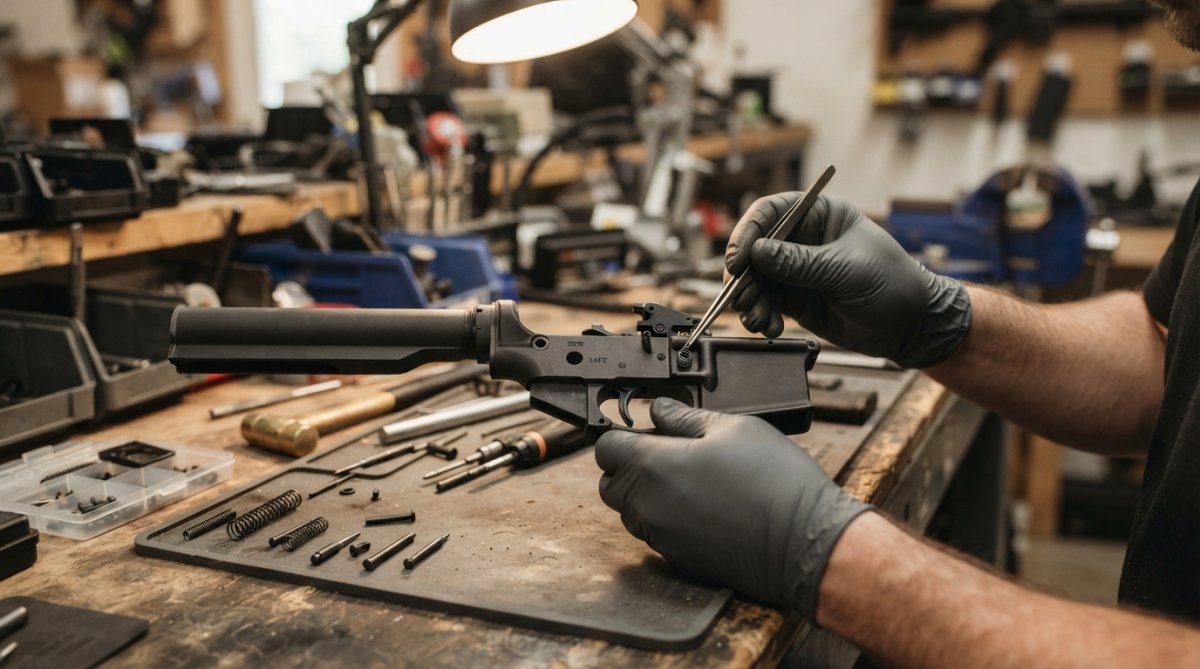
Installation is where spring upgrades quietly fail.
| Interval | Check | Why It Matters |
|---|---|---|
| Every 500 rounds | Pin walk and seating | Loose pins change reset timing |
| Every 1,000 rounds | Spring set and free length | Springs take a set and lose tension |
| Every 2,000 rounds | Disconnector hook wear | Wear changes break quality |
| Annually | Full function check | Catches drift before a range failure |
Compliance and Safety Checks Before You Install
Before installing anything, confirm three things: that the part is legal in your state, that it’s legal at the range or property where you shoot, and that you understand how the mechanism behaves under rapid fire.
Frequently Asked Questions
What is the best trigger upgrade for an AR-15?
It depends on your goal. A drop-in cassette like the Rise Armament RA-140 or Timney AR PRO gives a crisp break and fast reset without tuning springs. If you want to keep costs low, a trigger reset spring kit can modify pull weight, but it won’t change sear engagement or break quality. For precision shooting, a two-stage cassette such as the LaRue MBT-2S offers a smooth take-up and clean release. Match the upgrade to your shooting style before spending.
Can I improve my trigger reset without replacing the entire fire control group?
Yes, but with limits. Swapping the trigger spring and hammer spring can lighten pull weight and slightly speed reset, and a reduced-power spring kit is a budget-friendly option. However, the disconnector and sear geometry stay the same, so reset distance and tactile feedback won’t improve much. If you want a shorter, more positive reset, a drop-in cassette is the more reliable path. Start with springs only if your mil-spec group is in good shape.
What’s better, an FRT or a binary trigger?
They work differently. A forced reset trigger uses the bolt’s rearward travel to push the trigger forward, so you feel a forced reset on each shot and can fire rapidly with practice. A binary trigger fires on pull and release, giving two shots per cycle. FRTs tend to feel more like a standard trigger with a very fast reset, while binary triggers have a distinct release shot. Your choice depends on whether you want a natural trigger feel or a pull-release rhythm. Check all federal and state laws before buying either.
How do drop-in triggers compare to individual spring upgrades?
Drop-in cassettes replace the entire fire control group in one unit, so sear engagement, disconnector timing, and reset are set at the factory. That means consistent pull weight and a shorter reset than you can get from springs alone. Spring upgrades keep your existing mil-spec parts and only reduce pull weight. If you want a crisp break, tactile reset, and repeatable performance, a drop-in can be a significant upgrade. Springs are best for budget builds where the current trigger is otherwise fine.
Are there legal considerations when upgrading AR-15 trigger components?
Yes. Federal law defines a machinegun as a weapon that fires more than one shot per trigger pull, and forced reset triggers have been the subject of enforcement actions and court cases. Binary triggers are legal in some states but banned in others. Always check current federal rules and your state and local laws before installing an FRT or binary trigger. A standard drop-in cassette or spring kit does not raise the same concerns, but you are responsible for knowing what applies to you.
The gap between a spring swap and a real upgrade isn’t the spring. It’s whether the geometry around it was designed to work together. Polymer Pew builds drop-in kits with anodized aluminum housings and stainless steel internals, flat triggers for consistent finger placement, and aluminum MKE lowers tested for variant compatibility so clone builders aren’t filing parts to make them fit. If you’re done tuning and ready to install something that holds its reset, get your Flatties here.